



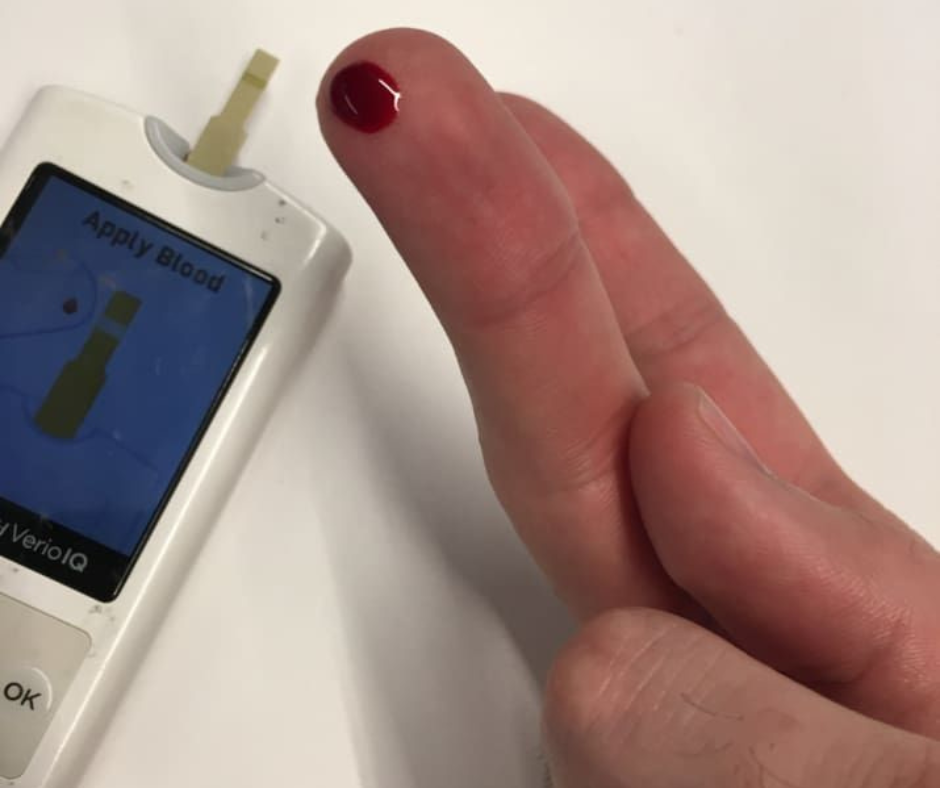
Diabetes care services provided at Stafford St Medical:
- Diabetes cycle of care
- 3 – 6 Monthly Blood tests and examations
- Insulin and injection education
- Comprehensive cardiovascular health checks
- Diabetes diagnostics
Diabetes is a disease that occurs when your blood glucose, also called blood sugar, is too high. Glucose is your body’s main source of energy. Your body can make glucose, but glucose also comes from the food you eat.
Insulin is a hormone made by the pancreas that helps glucose get into your cells to be used for energy. If you have diabetes, your body doesn’t make enough—or any—insulin, or doesn’t use insulin properly. Glucose then stays in your blood and doesn’t reach your cells.
Your doctor can diagnose diabetes, prediabetes, and gestational diabetes using blood tests. These blood tests show if your blood glucose level, is higher than the range that is healthy for you. Blood tests can also help identify the type of diabetes you have.
We prioritize patient education, ensuring that you are well-informed about Diabetes, managing it, and any potential health problems.
Our team will work closely with you to assess your individual needs and create a treatment plan tailored specifically to your health goals.
Diabetes FAQ’s:
Who should be tested for Diabetes?
Anyone who has symptoms of diabetes should be tested for the disease. Some people will not have any symptoms but may have risk factors for type 2 diabetes and need to be tested.
Most pregnant women should also be tested for gestational diabetes. Testing helps doctors find diabetes sooner, so they can work with their patients to manage the disease and prevent health problems.
Are there other types of Diabetes?
The three main types of diabetes are type 1, type 2, and gestational diabetes.
What is an A1C test?
An A1C test, also known as a hemoglobin A1C (HbA1c) test, measures your average blood sugar levels over the past 2–3 months. It’s a blood test that’s used to diagnose and monitor diabetes.
How important is exercise for diabetes management?
Exercise is considered a crucial component of diabetes management, as it significantly helps control blood sugar levels, reduce cardiovascular risks, aid in weight management, and improve overall health and well-being for people with diabetes; making it a key part of any treatment plan alongside diet and medication.